
How to Sell Custom Engagement Rings Online with 3D Preview and Live Feeds
A practical guide for independent jewelers transitioning custom engagement rings from a physical showroom to an online 3D commerce store.
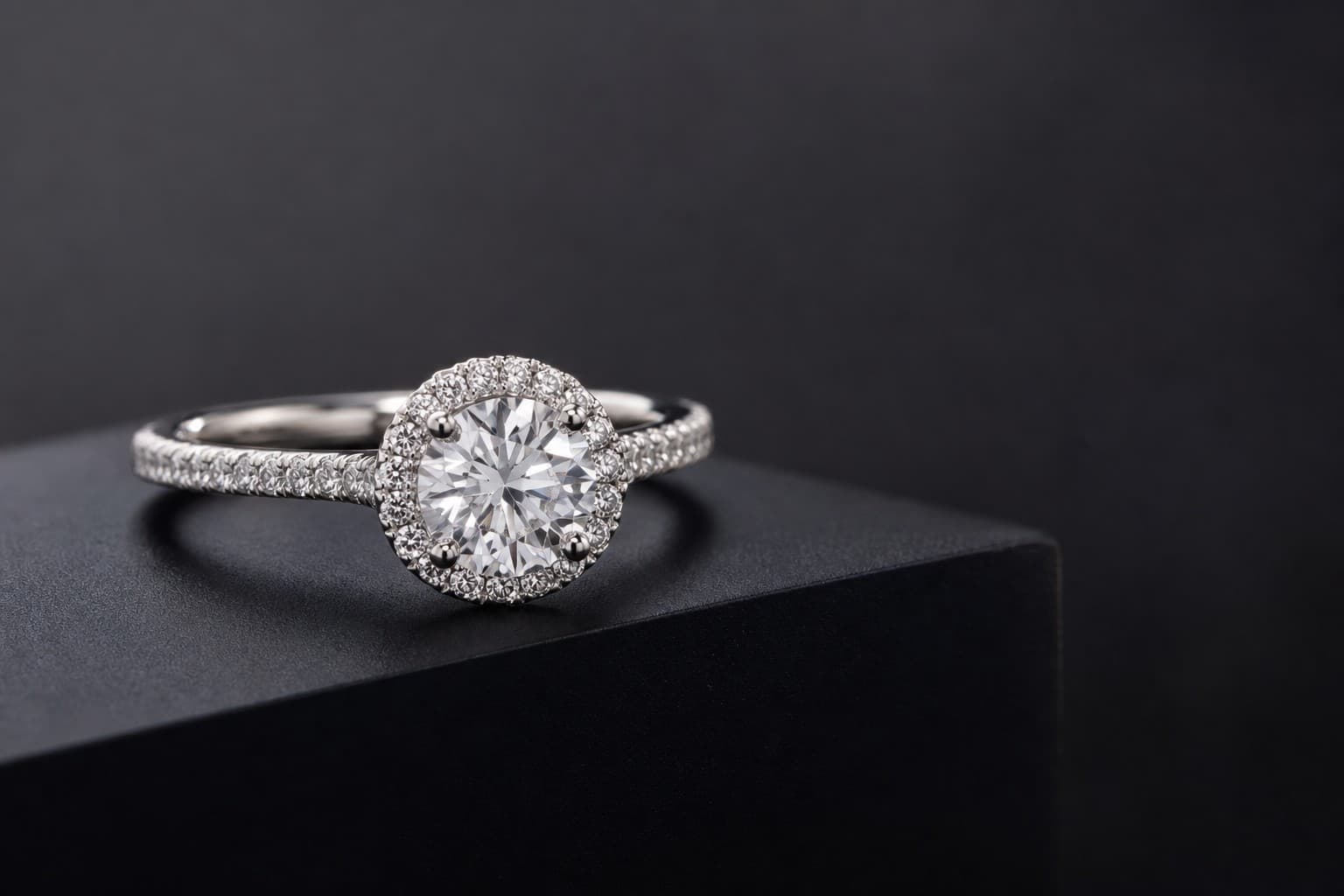
For independent jewelry stores, custom engagement rings deliver the highest profit margins and the deepest customer relationships. Yet taking that bespoke experience online has historically felt impossible. Customers hesitate to commit when they cannot visualize the ring in 3D, manual price quoting takes 48 hours over email, and showroom diamond inventory remains trapped in physical display cases.
The Three-Tier Architecture for Custom Jewelry Ecommerce
Taking a bespoke jewelry business online requires coordinating three distinct operational layers rather than relying on a generic ecommerce template:
- Storefront & Commerce Layer (Shopify, WooCommerce, Magento): Handles customer accounts, native shopping cart, payment gateways, tax calculation, and order tracking.
- Custom Jewelry Commerce Engine (Gemtheon): Provides interactive 3D WebGL ring building, live diamond feed synchronization (RapNet, Nivoda, Stuller), automated retail markup calculation, and stone hold locking.
- Manufacturing Bench Layer: Receives the verified order package, including detailed PDF specification briefs, structured JSON dimension data, and casting-ready 3D CAD files (STL, 3DM).
Combining In-House Inventory with Live Wholesale Feeds
Jewelers no longer have to choose between selling only what is in their safe or depending entirely on third-party virtual stock. A hybrid inventory architecture allows you to upload in-house diamonds and mounts via CSV or API while concurrently connecting wholesale feeds. Your retail markup rules automatically calculate live prices based on carat weight, stone shape, metal type, and market spot prices.
Preventing Stale Stock Overselling
The greatest risk in selling live feeds is double-selling a diamond that was purchased elsewhere. A modern custom ring engine must place an immediate hold lock on the diamond the second a customer checks out, preventing feed collision across your showroom and online store.
Exporting Casting-Ready CAD Files Directly to the Bench
A 3D visualization model (such as a WebGL GLB file) is designed for interactive browser rendering, not casting. When an online order is placed, your workshop requires precise manufacturing deliverables: Rhino 3DM or STL files matched to the exact finger size and center stone dimensions, alongside GIA or IGI certificates.
Custom jewelry ecommerce succeeds when your digital configurator produces manufacturing-ready deliverables, not just pretty pictures.
Keep exploring
Turn education into action
Use Gemtheon Academy to learn, then continue with interactive tools that help retailers and design partners turn knowledge into practical progress.
Related articles
Keep exploring the ideas, workflows, and growth tactics connected to this topic.
How to Increase Engagement Ring Conversions Online
A practical guide to helping customers choose confidently and improving conversion throughout the online buying journey.

7 Ways Jewelry Retailers Can Improve Website Conversion
Practical tactics to reduce bounce rate and turn visitors into buyers on your jewelry website.

Jewelry SEO: How to Rank Local and Product Pages
SEO strategies specifically for independent jewelers, from Google Business visibility to structured product content.