
The Quiet Details That Make an Engagement Ring Feel Like Yours
Two rings with the same style label can feel completely different. Subtle transitions, negative space, and gentle tapers define true jewelry character.
People often begin an engagement ring search with the biggest decisions: Round or oval? Solitaire or pavé? White gold or yellow gold? These choices are useful, but they rarely explain why one ring feels immediately right while another, with almost the same description, does not.
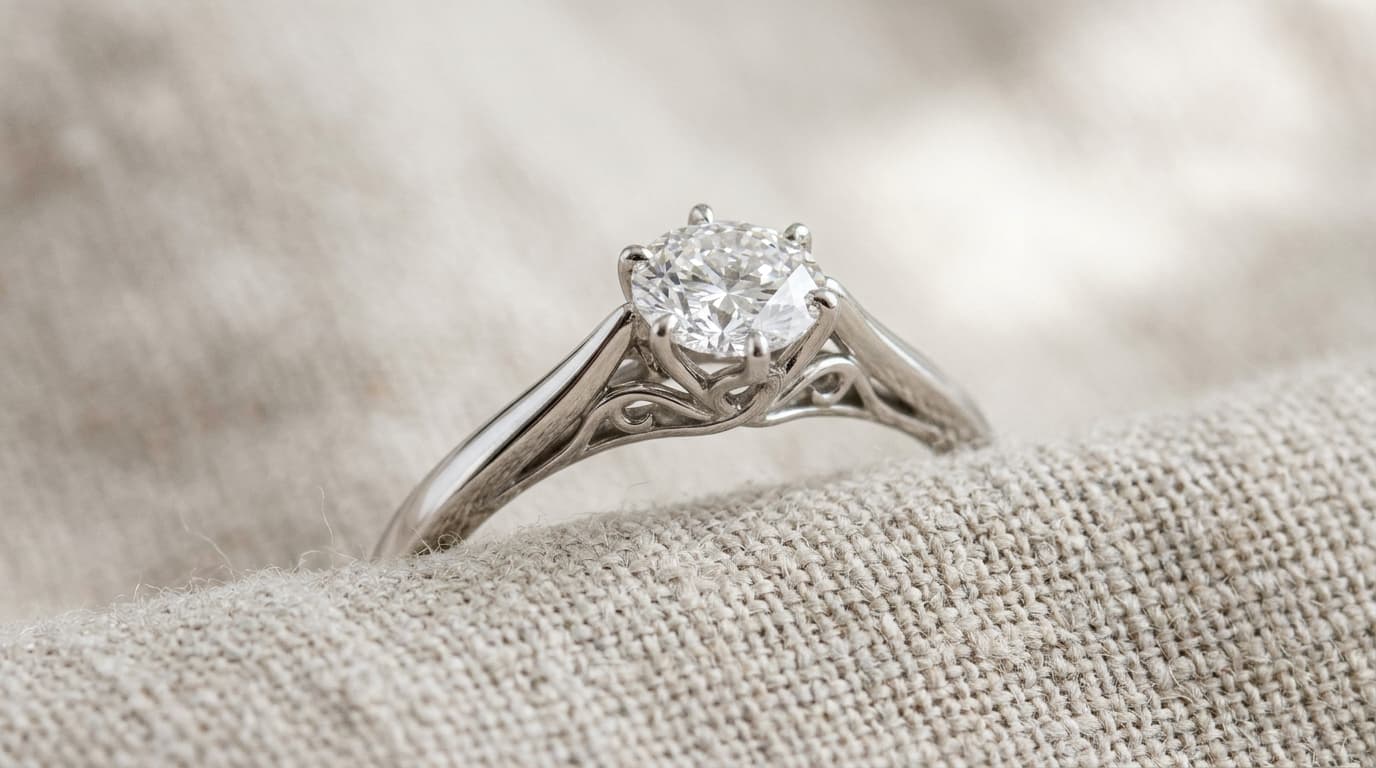
That feeling usually lives in the quieter details: the way the band narrows as it reaches the center stone, prongs that look soft rather than sharp, a gentle curve beneath the setting, or a small space that keeps an intricate design from feeling heavy.
Familiar does not have to mean ordinary
A solitaire is one of the clearest examples. Its idea is simple: one center stone held above a band. Within that idea, there is enormous room for personality. Four prongs give a stone a balanced, geometric outline, while six prongs create a rounder, softer boundary. A rounded band feels different from a knife-edge band. Shoulders that rise toward the center create a sculpted silhouette, while a straight band keeps the composition calm and direct.
Pay attention to transitions
One of the easiest ways to understand why you like a design is to look at how one part becomes another. Where does the band begin to change as it approaches the center? Does the metal taper gradually or meet the setting with a clear break? Do accent stones end softly, or does the pattern wrap around the ring?
Design Observation: Band Contours & Asymmetry
Observe how the Oval Swirl Pavé guides the eye through a curving, organic taper that wraps into the center stone, contrasted with the architectural stillness of a classic Round Solitaire. In the Asymmetric Two-Stone Bypass, negative space between two distinct center stones creates an expressive, unconventional visual rhythm.
Negative space gives details room to breathe
When every millimeter is covered in embellishment, the eye has nowhere to rest. The most timeless rings understand negative space: the small opening beneath a prong, a slender gap between double bands, or the unadorned metal border beside a pavé row. Space makes details look intentional rather than crowded.
Sources and further reading
Explore how subtle design choices impact ring anatomy and prong styles through GIA's buyer resources:
Find Your Details
Compare distinctive silhouettes
Discover rings where craftsmanship and proportion create quiet, memorable character.
Related articles
Keep exploring the ideas, workflows, and growth tactics connected to this topic.
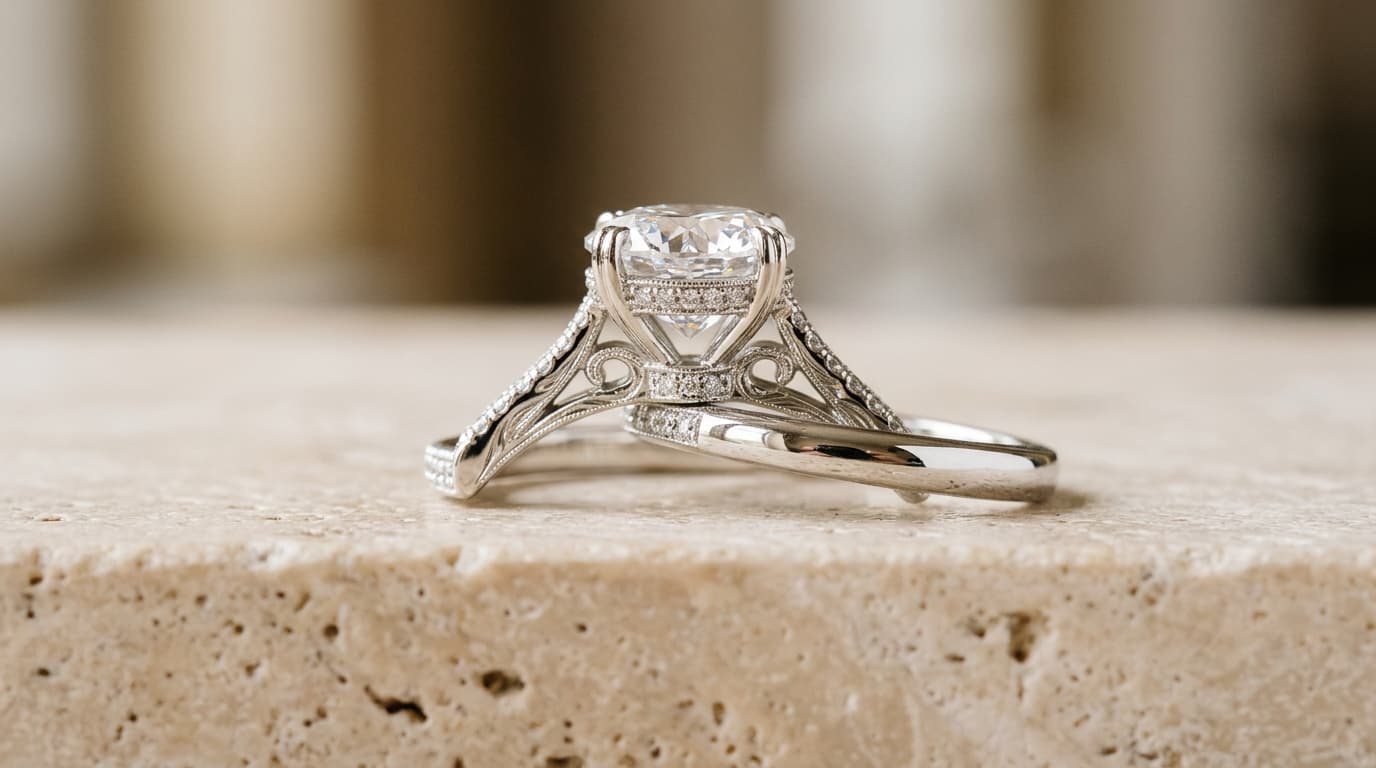
Why the Side View of an Engagement Ring Deserves More Attention
Most engagement rings are introduced from above, but the side view is where a design reveals its true personality, structural balance, and craft.
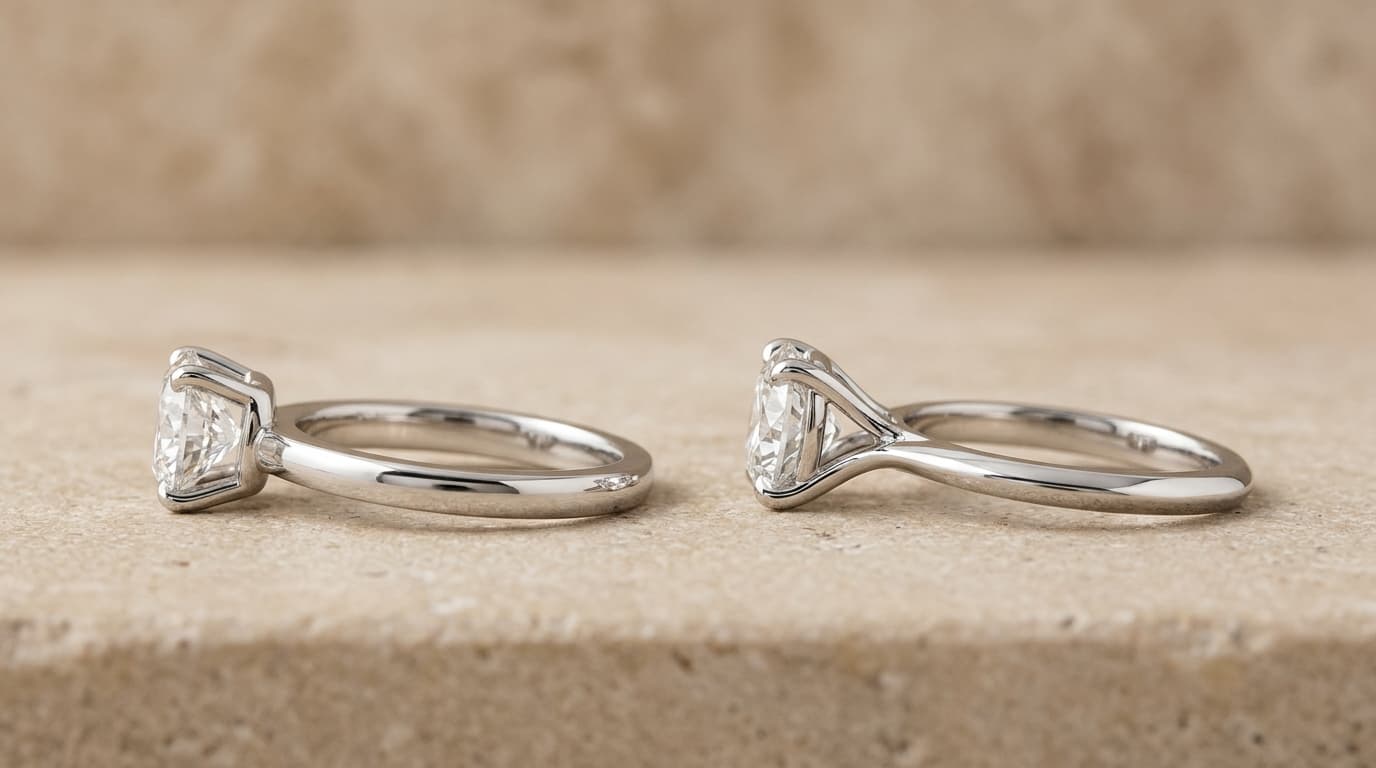
Low or High Setting? The Engagement Ring Choice You Notice Every Day
Setting height is often overlooked when browsing photos online, but it shapes how an engagement ring feels every day on an ordinary Tuesday.
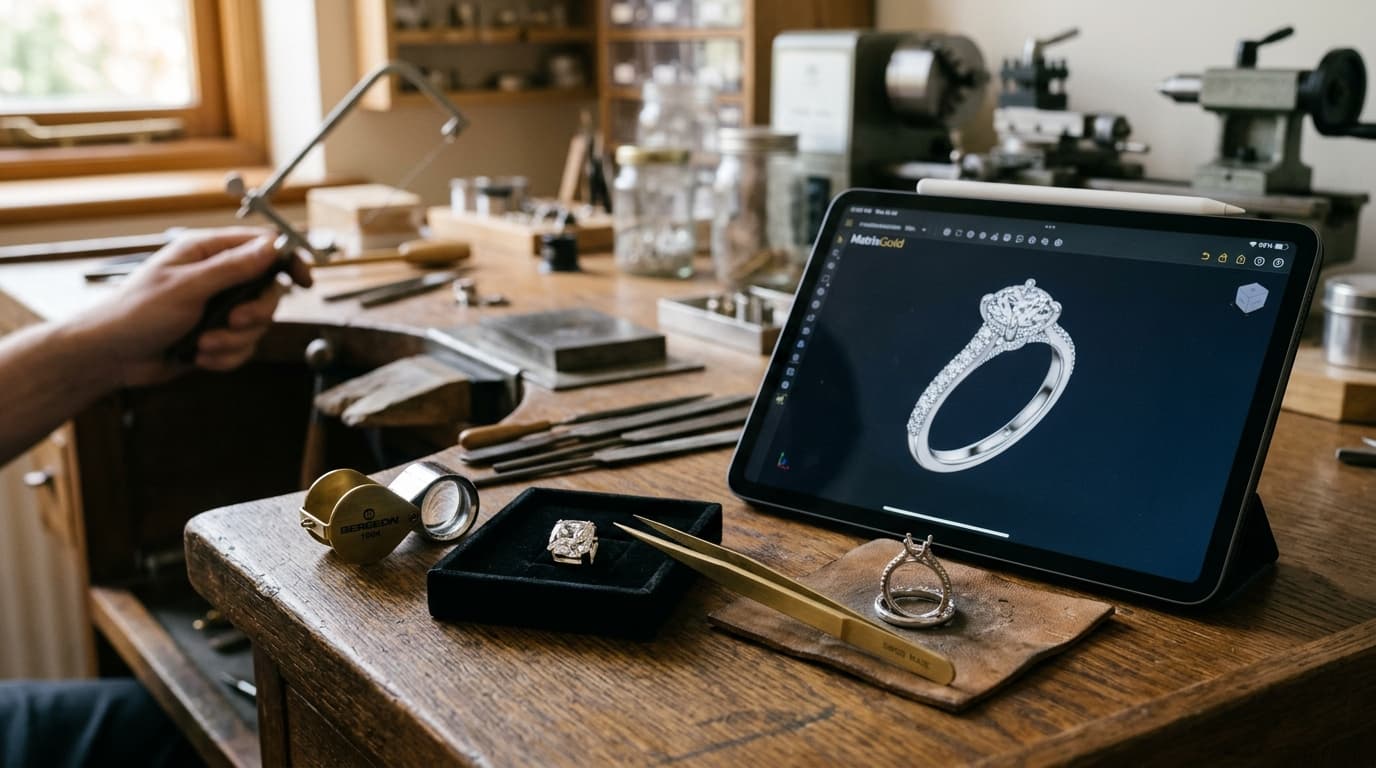
Can an Online Ring Design Become Your Real Engagement Ring?
Moving from online visual inspiration to a finished custom piece: how 3D designs bridge customer vision, center stone proportions, and jeweler craftsmanship.